Jl. M.H. Thamrin Kav 3, Menara Thamrin, Level 3A, Jakarta 10250 +62-2139-8303-03 / +62 857 6344 7043 contact@vivoasia.com
Q-Aviation Q10RI01-11R1 Explosion Proof Perimeter Light 1 / 4
Weather & Helideck Monitoring

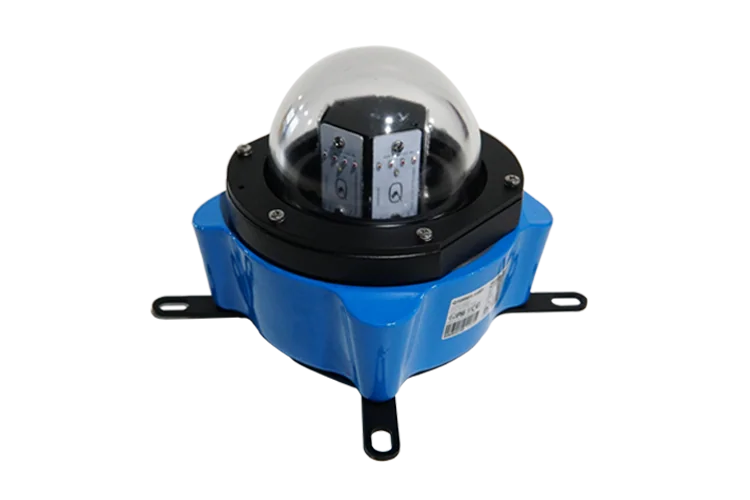
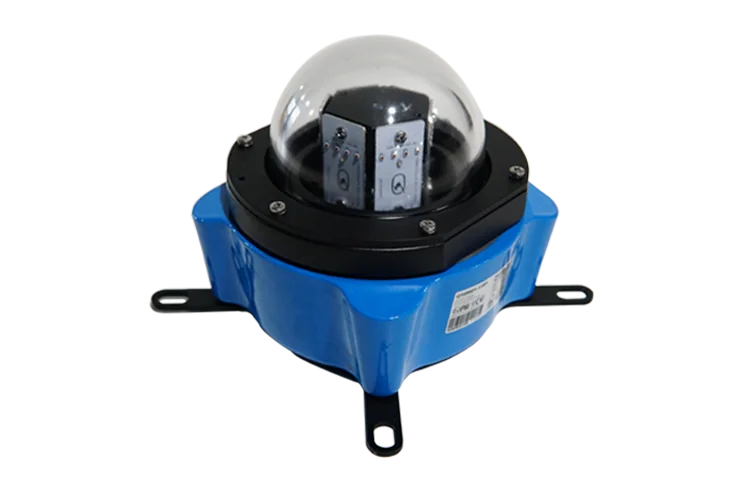
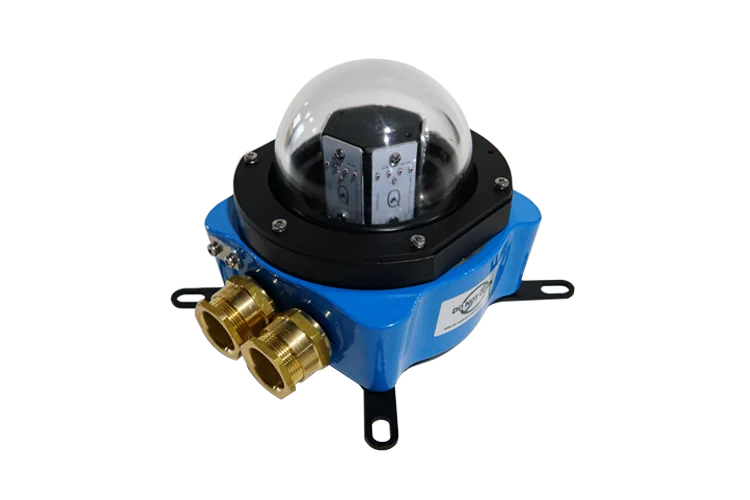
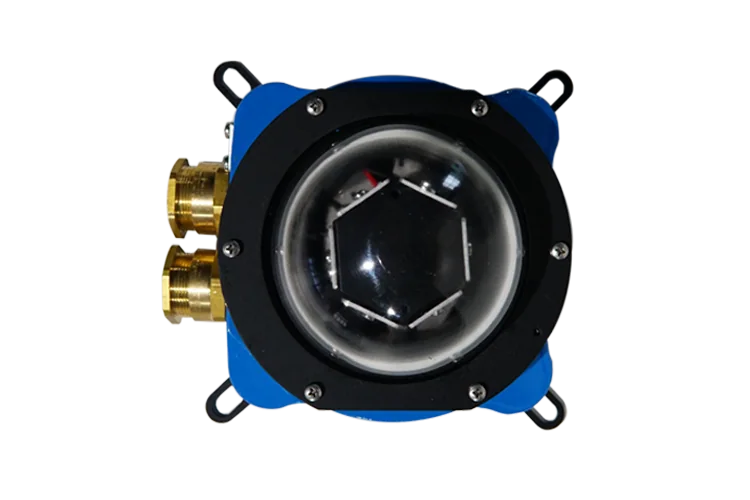
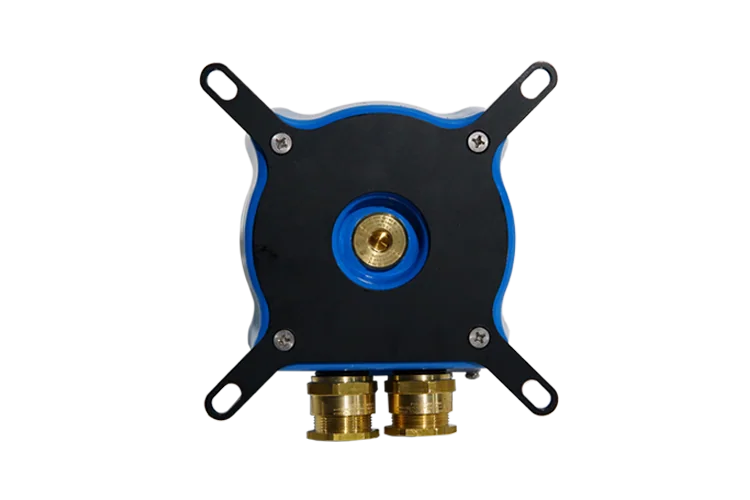
Q-Aviation Q10RI01-11R1 Explosion Proof Perimeter Light

50 cd CAP437 perimeter light, under 25 cm high, spaced no more than 3 m apart.

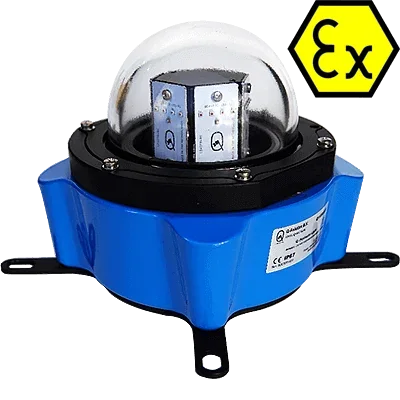
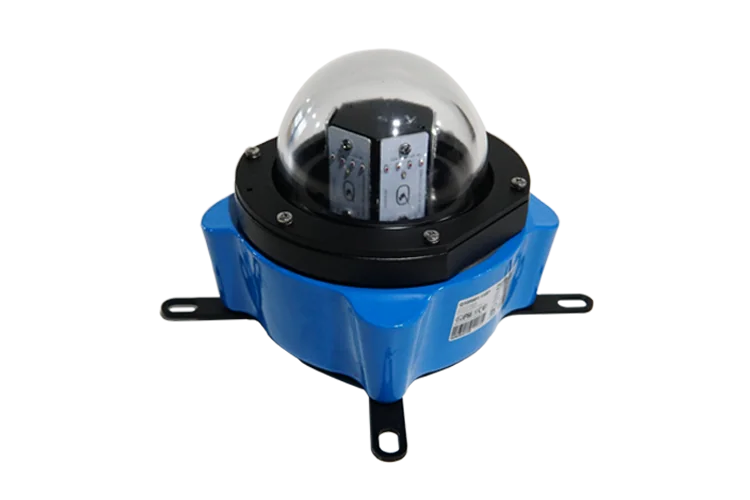
The Q-Explosion Proof Perimeter Light is the 50 candela perimeter light for hazardous area offshore facilities, compliant with CAP437. It is available in 100-240 VAC and 24 VDC configurations, in powder coated aluminium with borosilicate glass or in SS316.

  • 50 cd, LED steady burning, CAP437 compliant
  • Fitted at intervals of not more than 3.0 m around the landing area
  • Aluminium or SS316 housing, 100-240 VAC or 24 VDC
SPECIFICATIONS
Order code Q10RI01
Intensity 50 candela, LED steady burning
Input power 100-240 VAC, or 24 VDC
Housing Aluminium powder coated RAL5015 with borosilicate glass, or SS316
Compliance ICAO Annex 14, CAP437
Description

Perimeter lights define the edge of the landing area. They are the outline a pilot lines up on, and because the helideck of an offshore installation is a platform surrounded by nothing, that outline is the only thing distinguishing the landing area from the sea beyond it.

The specification is largely dictated by CAP437 rather than chosen, and Q-Aviation state the requirements plainly on their own page: perimeter lights, spaced at intervals of not more than 3.0 metres, should be fitted around the perimeter of the landing area of the helideck, and they should not exceed a height of 25 cm above the surface of the helideck. Both figures matter. The spacing determines whether the outline reads as a continuous edge rather than a row of dots, and so the quantity for a given deck follows arithmetically from its perimeter. The height limit is a safety requirement - anything taller is an obstruction to the aircraft and to the people working on the deck.

Q-Aviation's unit is a 50 candela LED steady-burning light, explosion-proof for hazardous area offshore facilities and compliant with CAP437 and ICAO Annex 14. Steady burning rather than flashing is the correct behaviour here: the perimeter is a shape to be perceived, not a signal to be noticed, and flashing lights around an edge would make the outline harder to read.

The configuration options are the practical part of specifying these. Input power is available as 100-240 VAC or 24 VDC, which lets the lighting follow whatever supply the deck already has - and 24 VDC is what allows the perimeter to sit on a battery-backed supply, so the outline survives a power event. Housings are offered in powder coated aluminium in RAL5015 with borosilicate glass, or in SS316 powder coated. That choice is worth making deliberately rather than by price: aluminium is lighter and adequate in most positions, while 316 stainless is what survives a deck that is permanently wet with salt. Borosilicate glass is specified because it takes thermal shock - a hot fitting hit by cold spray - without failing.

Being a deck-edge fitting, these are walked past, washed down, and occasionally struck. They are driven as a group from the helideck control system, and on Q-Aviation's WEX4 and WEX5 control systems the perimeter circuit is one of the standard switched groups.

Features

  • 50 candela, LED, steady burning. The correct behaviour for an outline that must be perceived as a shape.
  • 3.0 m maximum spacing. Q-Aviation state the CAP437 requirement, so quantity follows from the deck perimeter.
  • Under 25 cm above the deck. The height limit that keeps the fitting from being an obstruction itself.
  • Two supply options. 100-240 VAC or 24 VDC, so the perimeter can sit on a battery-backed supply.
  • Aluminium or SS316 housing. Powder coated RAL5015 aluminium, or 316 stainless for permanently salt-wet decks.
  • Borosilicate glass. Takes the thermal shock of cold spray on a warm fitting.
  • Explosion proof. Certified for hazardous area offshore facilities.
  • Group switched. A standard controlled circuit on the WEX4 and WEX5 systems.

Applications

Every helideck has a perimeter, and every perimeter needs lighting.

  • Offshore platform helidecks. The primary application.
  • FPSOs, drillships and semi-submersibles. Where the deck edge is the only visual reference.
  • Vessel helidecks. Support, construction and standby vessels.
  • Onshore helipads at hazardous sites. Refinery and terminal pads inside classified areas.
  • CAP437 compliance upgrades. Where spacing or height on an existing deck falls short.
  • Battery-backed schemes. Using the 24 VDC variant so the outline survives a power failure.

Support & Documents

PT Vivo Asia Teknologi Indonesia supplies weather and helideck monitoring as an integrated, commissioned system rather than as individual instruments. Our scope typically covers:

  • Selection against CAP 437, the relevant national requirement or your operator's standard.
  • Sensor siting to avoid the structure's own turbulence, exhaust and heat sources.
  • Signal, power and hazardous-area design across the deck and up to the control room.
  • Supply, installation, termination and commissioning.
  • Integration with the helideck monitoring system, status lighting and reporting outputs.
  • Calibration, periodic verification and ongoing maintenance.

Ranges, accuracies, approvals and electrical details vary by variant and are confirmed against the current manufacturer datasheet at quotation stage. Tell us the structure, the standard you are working to and the parameters you must report, and we will come back with a system design and a full bill of materials.

Use the enquiry button above for a datasheet, a specification or a project quotation.

Related products