Two megahertz is the shallow-water end of the acoustic current profiling range, and the
trade it represents is deliberate. High frequency sound attenuates quickly in water, so it does
not reach far - Nortek quote a profiling range of up to 10 m for this instrument - but in
exchange it resolves the column into fine depth cells. In 8 metres of water that is exactly the
right bargain: you get a genuinely detailed profile of the whole column, which a lower-frequency
instrument built for 100 metres could not provide.
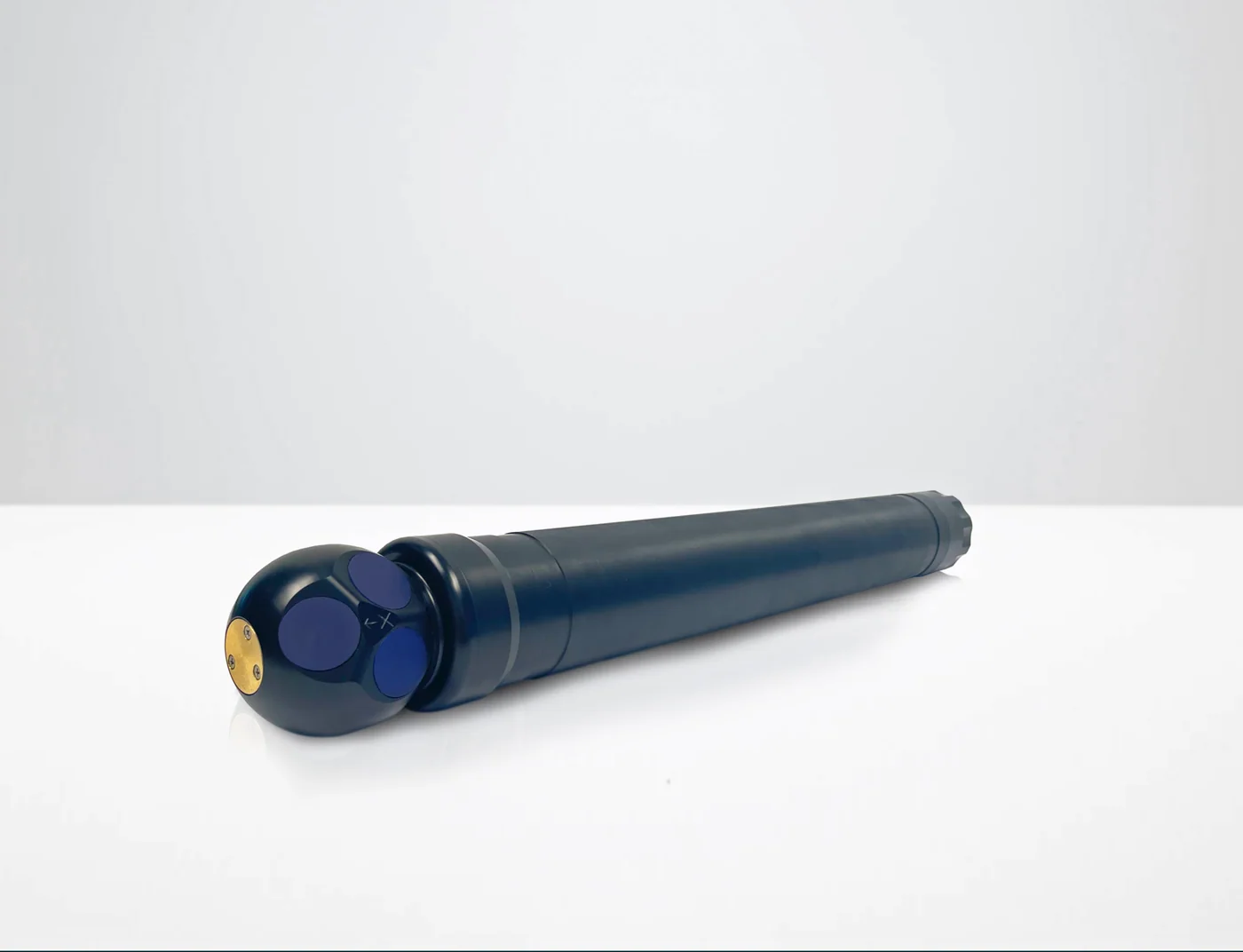
The instrument is positioned for current measurements in shallow water, and the Aquadopp
Profiler series as a whole is what Nortek recommend for users who are less experienced with the
technology, as against the more configurable Signature series. That is a fair guide to
selection: if the requirement is a dependable current record from a shallow site rather than a
research-grade dataset with unusual settings, the simpler instrument is the correct choice.
Three improvements in the upgraded design are worth understanding because they all bear on
whether a deployment succeeds. Improved noise immunity matters because Doppler velocity is
extracted from a weak echo, and noise sets the floor on how slow a current can be resolved -
which is the limiting factor at slack water. The 6 percent broadband measurement refers to the
signal bandwidth used, and broadband processing is what allows a given precision from a shorter
averaging period, so the instrument either uses less power for the same data or gives better
statistics for the same power.
The hibernation mode between measurements is the most consequential for autonomous work.
Current measurement is usually a duty cycle - measure for a burst, wait, measure again - and the
power drawn while waiting determines the deployment length as much as the power drawn while
measuring. Hibernating between bursts, combined with increased internal battery storage,
extends potential deployment time, which is the figure that decides how often a boat has to go
out to service the instrument. On a shallow coastal site that servicing trip is frequently the
largest cost in the whole exercise.
Setup is through Nortek's deployment software, which lets the measurement scheme be
customised and the power requirement assessed before deployment. That assessment step is the one
to take seriously: cell size, blanking distance, ping rate and averaging interval interact, and
the software will tell you what the configuration costs in battery before the instrument is in
the water and the answer can no longer be changed.

 1 / 3